
As a cochlear implant surgeon, one of the most common questions I hear from parents and patients alike is: “How long will the implant last?” It’s a fair question. Cochlear implants are life-changing devices, and understanding their longevity can give you peace of mind about your or your child’s hearing journey. Let’s explore how long cochlear implants typically last, how the internal and external parts differ, and what you can do to ensure they stay in top shape for years to come.
Internal Device Lifespan
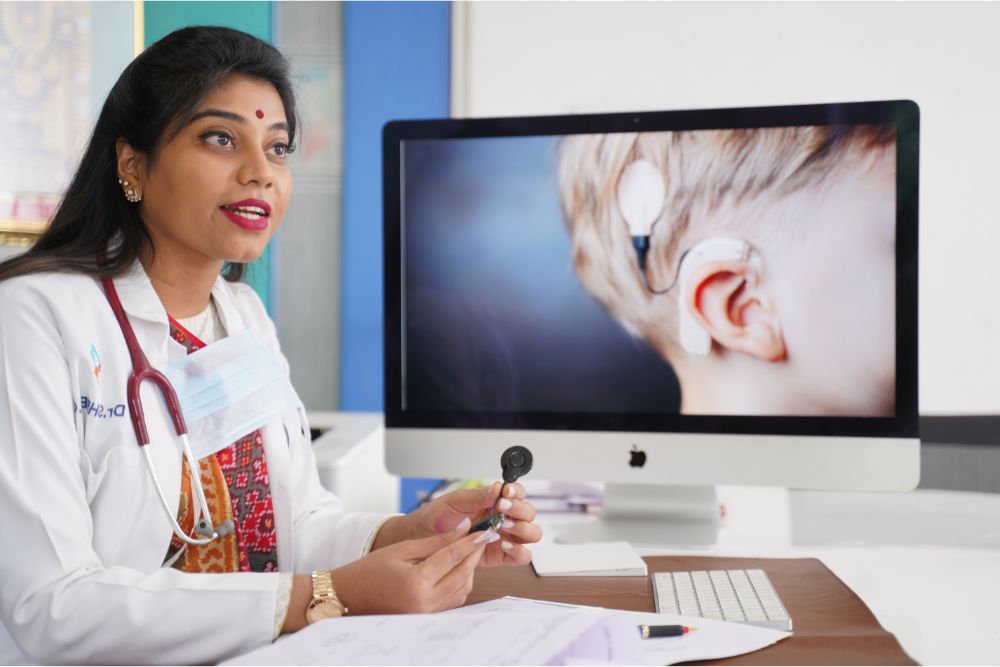
The surgically implanted internal component is designed to last a lifetime. Once placed inside the cochlea, it becomes a permanent part of your auditory system. The internal implant has no moving parts and is built using biocompatible materials designed to withstand the body’s natural environment. In most cases, the internal device functions perfectly for decades without needing replacement.
Failures are rare, and modern cochlear implant technology has made internal devices even more reliable than ever before. In my experience at Dr. Rao’s ENT Cochlear & Hearing Clinic, internal device replacements are extremely uncommon. Even in rare cases where a malfunction occurs, manufacturers offer long-term warranties, and surgical revision can restore hearing successfully.
The good news? Once implanted, the internal device is meant to stay with you for life.
External Processor Lifespan
The external sound processor typically lasts 5–7 years and is upgradeable as technology advances. This component, which sits behind the ear, captures and processes sound before sending it to the internal implant. Because it’s exposed to daily wear and tear – moisture, dust, accidental drops, and handling – it naturally has a shorter lifespan.
However, you’re not limited to the processor that comes with the initial implantation. As technology evolves, newer models offer improved sound clarity, better speech recognition in noise, and seamless connectivity with smartphones and accessories. Many of my patients upgrade their processors every few years, not because the old one stops working, but because the newer versions deliver a richer hearing experience.
Durability & Maintenance
Both parts are built to be durable, but proper care and maintenance are crucial for longevity. The internal implant requires no maintenance once it’s healed, but the external processor benefits from regular cleaning and mindful handling.
Here are a few simple steps I recommend to patients:
- Keep it dry: Use a drying kit or dehumidifier overnight, especially in humid regions like Hyderabad.
- Handle with care: Avoid dropping or exposing the processor to water or extreme temperatures.
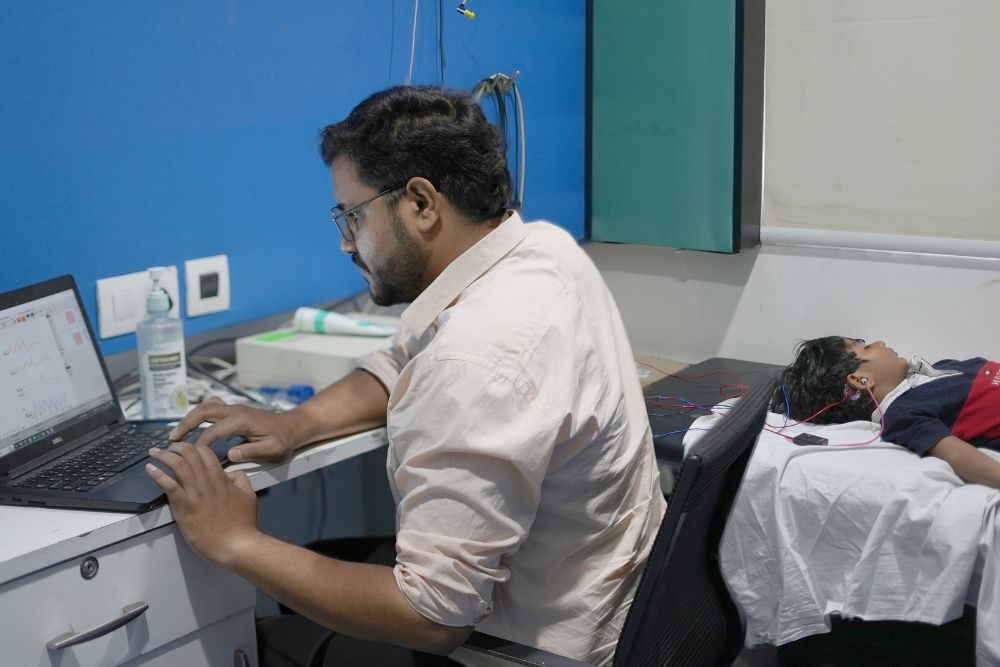
- Regular servicing: Schedule annual check-ups with your audiologist for cleaning, testing, and recalibration.
- Replace accessories: Cables, magnets, and batteries may wear out faster; replacing them on time ensures optimal performance.
When cared for properly, your processor can exceed its average lifespan, functioning reliably for many years.
Technology Upgrades
New external processors offer improved features, sound processing, and connectivity over time. One of the most exciting aspects of cochlear implant technology is that the internal component remains compatible with future upgrades. This means you don’t need another surgery to benefit from advancements – you can simply upgrade your processor.
Recent processor models have introduced features such as Bluetooth streaming, app-based controls, noise filtering, and water-resistant designs. For many patients, these upgrades significantly improve quality of life, making hearing easier and more natural in a variety of listening environments.
As India’s leading cochlear implant specialist, I always encourage my patients to stay informed about these innovations. Regular follow-ups at earsurgeon.in or my clinic ensure that you never miss out on new options that could enhance your hearing experience.
Long-term Support
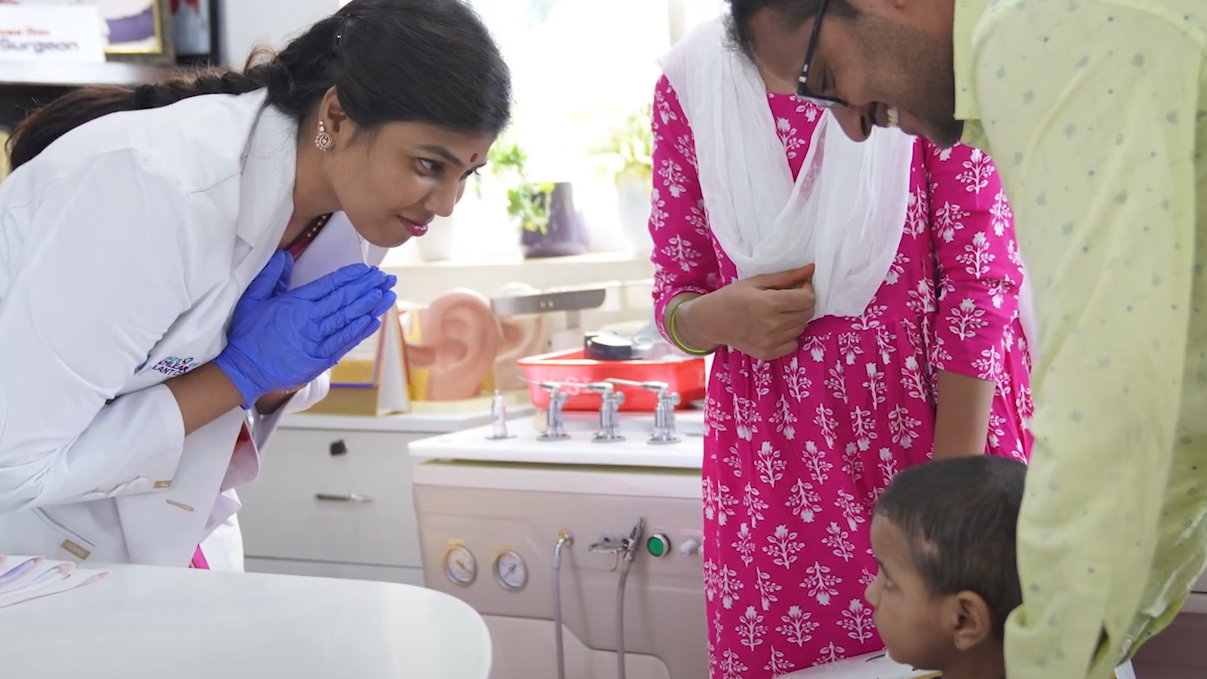
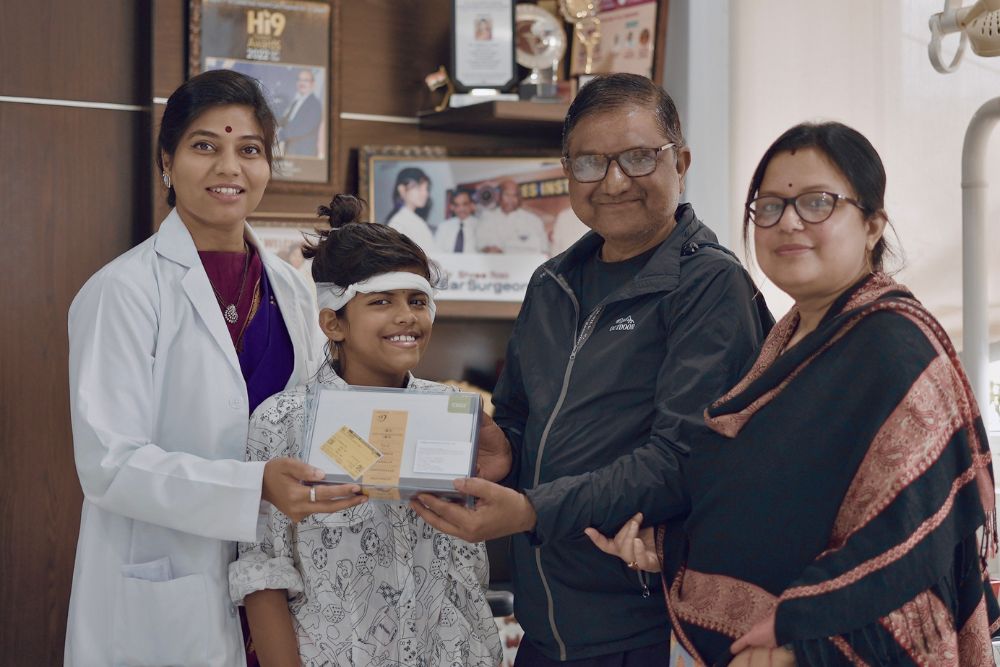
Clinics provide ongoing support for troubleshooting, repairs, and processor upgrades over the years. At my clinic, I often meet patients many years after their initial implantation – sometimes children who are now young adults, returning for an upgrade or a quick check-up. This long-term relationship is one of the most rewarding parts of my practice.
Manufacturers also offer comprehensive service plans, covering repairs, replacements, and software updates. And because cochlear implants are lifelong devices, clinics like mine provide sustained care to ensure patients always have access to support and guidance.
In Summary
A cochlear implant is not just a medical device – it’s a lifelong partner in your hearing journey. The internal part is designed to serve you for life, while the external processor can be upgraded as technology evolves. With regular maintenance and the right care, both can continue to provide exceptional hearing outcomes for decades.
If you or your loved one is considering a cochlear implant, I invite you to visit earsurgeon.in or my clinic at Dr. Rao’s ENT Cochlear & Hearing Clinic in Hyderabad. Together, we can ensure your hearing journey is supported by world-class technology, care, and compassion.