
When parents ask me what life will look like for their child after cochlear implant surgery, my answer is simple – it should look as normal as possible. Hearing is a gateway to experience, connection, and joy, and my goal is always to help children embrace that fully. Whether it’s swimming, running, or traveling, children with cochlear implants can lead active, exciting lives with a few simple precautions.
At Dr. Rao’s ENT Cochlear Implant Center, I’ve seen countless children grow from their “switch-on” day to confident, expressive individuals who sing, swim, and even play competitive sports. Here’s how you can help your child safely enjoy life after their implant.
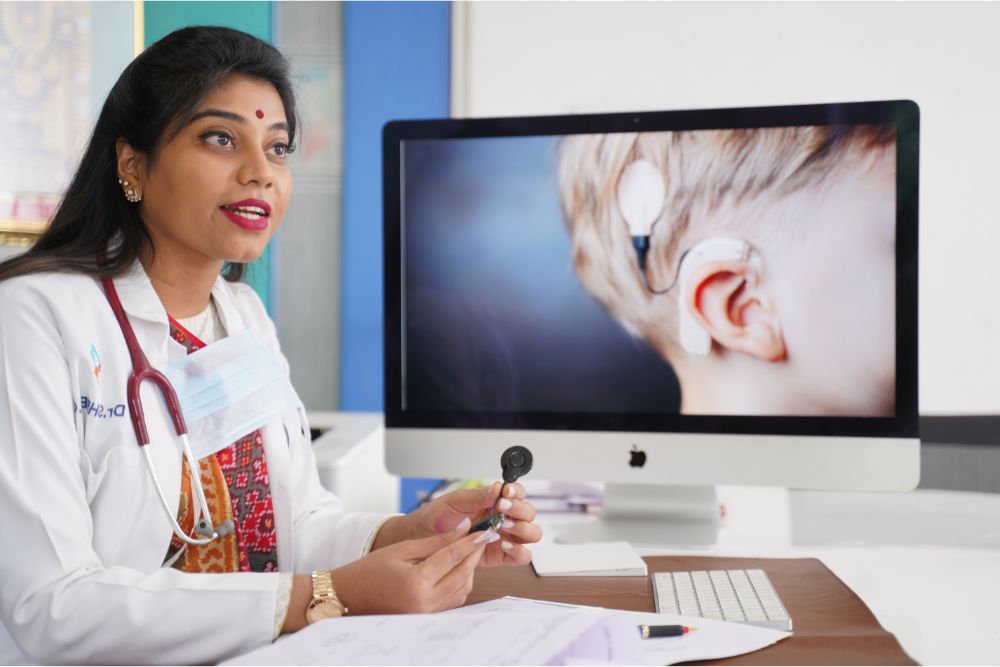
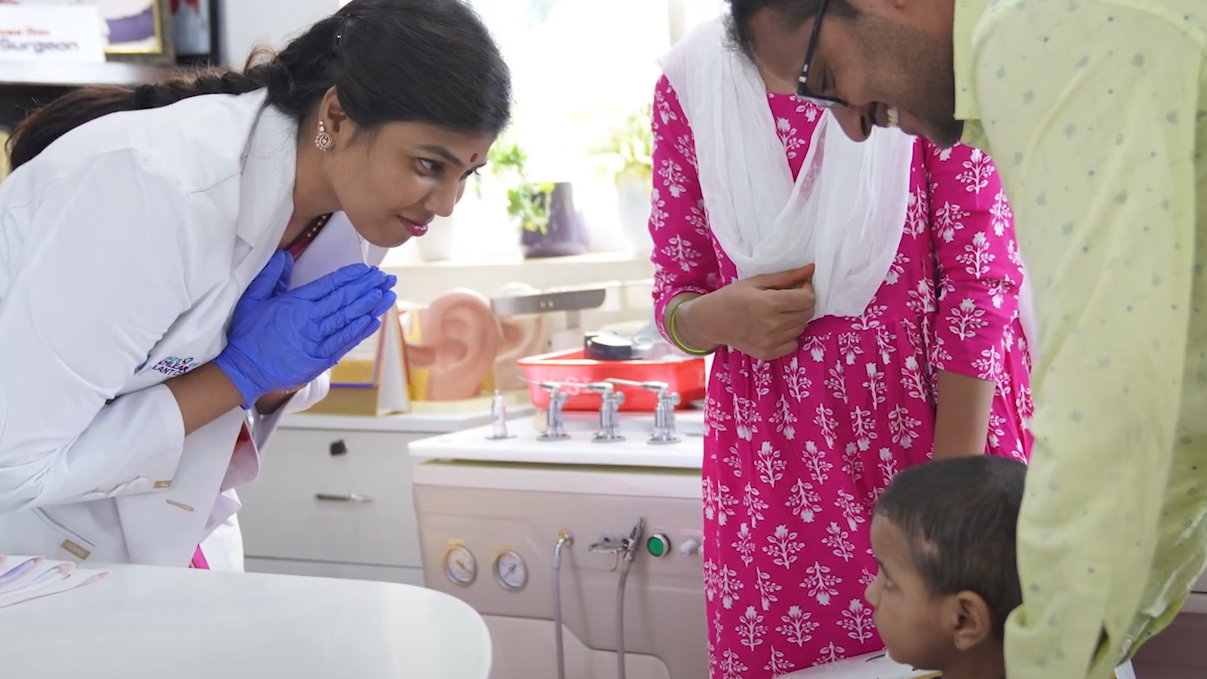
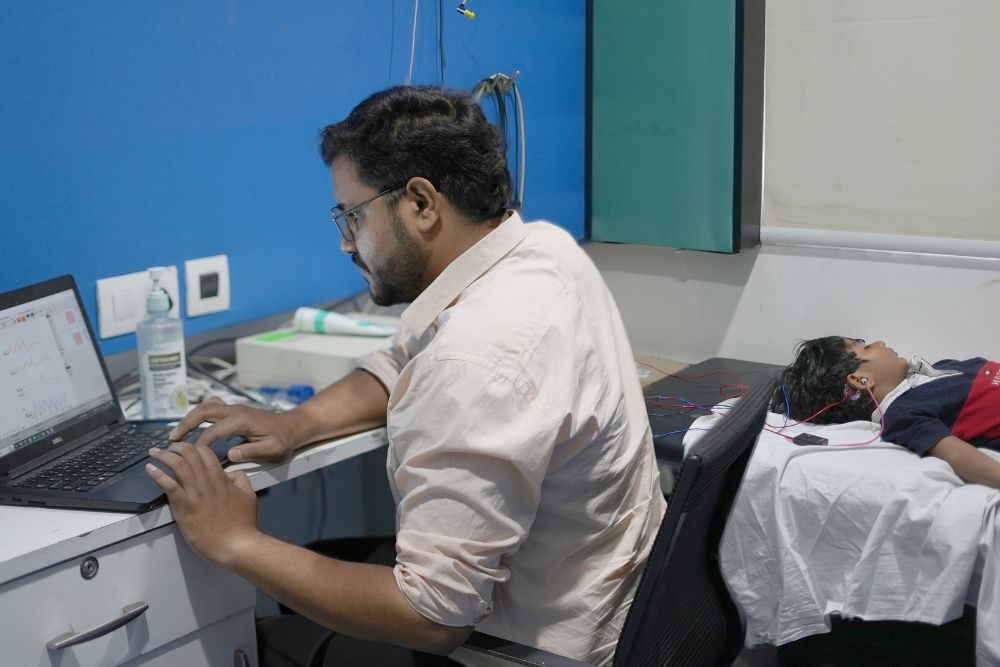
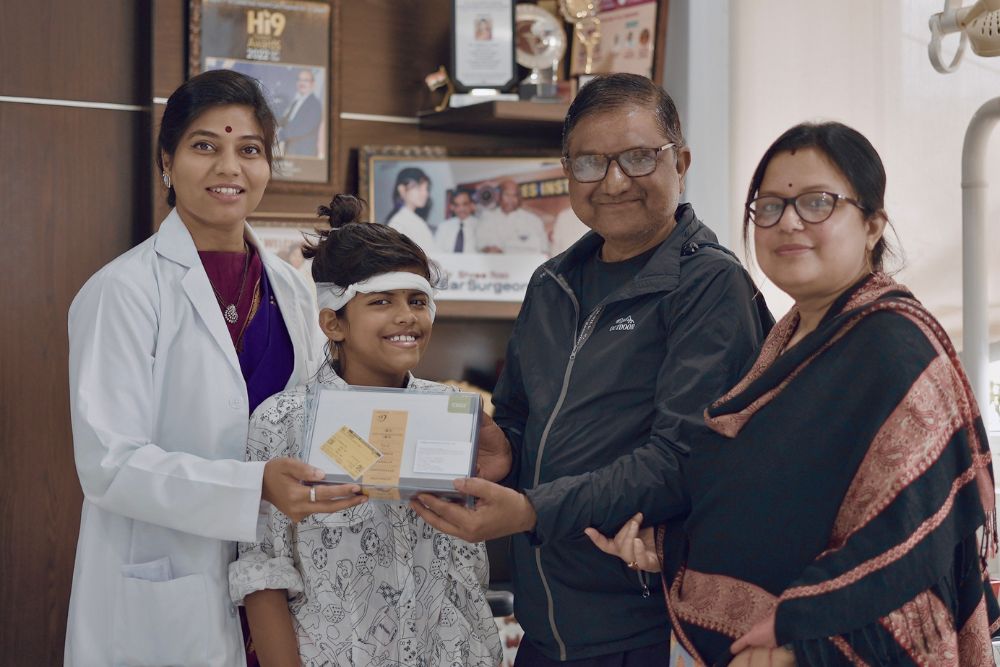
Water Activities: Safe Fun in the Pool
Swimming is one of the first things parents ask about – and yes, most children with cochlear implants can swim. Modern cochlear implant systems are designed with flexibility in mind. While the internal implant is completely protected under the skin, the external processor is what needs care around water.
Most external processors today are water-resistant or even waterproof when used with special accessories like waterproof cases or sleeves. These accessories seal the processor and keep it safe during pool or beach time. Your audiologist or implant company can guide you on the right waterproofing gear for your child’s specific model.
For younger children, I recommend removing the external processor during water play if there’s a risk of submersion without supervision. Once they’re comfortable and able to follow safety instructions, they can swim confidently using approved waterproof kits.
One practical tip – after swimming, gently wipe the processor and accessories dry and store them in a dry kit or dehumidifier overnight. This simple habit goes a long way in keeping the device functioning optimally.
Sports and Physical Activity: Play Without Limits
I love seeing my young patients run across playgrounds or kick footballs with their friends. Sports are not off-limits for children with cochlear implants. With a bit of protection and awareness, they can safely enjoy most physical activities.
For contact sports like football, basketball, or martial arts, I strongly recommend using a snug-fitting headband or sports helmet. This keeps the external processor secure and protects the implant site from impact. Some sports gear manufacturers even design helmets that can accommodate cochlear processors comfortably.
Non-contact sports – like swimming, running, badminton, or cycling – are perfectly safe. Encourage your child to stay active, as physical activity supports not just health but also social interaction and confidence.
If your child is part of a school team, it’s helpful to inform the coach or PE teacher about their implant. This ensures everyone understands the need for light head protection and proper care of the device during practice.
Travel Considerations: Sound Journeys Ahead
Families often worry about air travel or security checks at airports. The good news is that cochlear implants are completely safe for flying. Cabin pressure changes do not affect the device or your child’s comfort.
At security checkpoints, your child can walk through metal detectors safely, though the implant may trigger an alarm. I usually advise parents to carry their child’s implant identification card – it helps explain the situation to security personnel quickly.
During long flights, carry extra batteries or a charging kit in your hand luggage. Some families prefer to turn off the processor for naps or noisy flights, which is perfectly fine. The most important part is ensuring your child feels comfortable and confident while traveling.
If you’re planning trips abroad, make sure to note down the nearest cochlear implant service center in your destination city – just in case you need technical support. Most implant companies provide a global service network for such situations.
Normal Childhood: Living Fully, Hearing Freely
The true success of a cochlear implant lies in seeing children live full, active, and joyful lives – just like their peers. I’ve watched my patients perform on stage, go on vacations, and celebrate birthdays surrounded by laughter and sound. That’s the heart of why I do what I do.
Every time I see a child run into my clinic, chattering about their school day or showing me a medal they’ve won, I’m reminded that a cochlear implant is not just a medical device – it’s a bridge to a vibrant, connected world.
As Hyderabad’s best cochlear implant specialist, I want parents to know that with the right care, guidance, and confidence, your child can do everything – swim, play, travel, and dream – with the gift of hearing by their side.
Ongoing Care: Keeping the Sound Clear
Life after cochlear implantation isn’t a one-time fix; it’s an ongoing journey of care and progress. Regular audiology check-ups, mapping sessions, and device maintenance are vital for ensuring consistent hearing quality as your child grows.
As your child’s listening environment expands – from classroom chatter to outdoor play – their sound settings may need fine-tuning. Mapping adjustments help maintain clarity and comfort in different situations.
At earsurgeon.in, you can learn more about long-term cochlear implant care and how I work with families to support hearing development through every milestone. Routine maintenance and follow-up appointments ensure that your child continues to enjoy the full beauty of sound without disruption.
Final Thoughts
If your child has received or is considering a cochlear implant, and you’d like personalized advice on aftercare and daily activities, I’d be happy to guide you. Together, let’s ensure your child grows up not just hearing, but thriving in every sound-filled moment.
Visit earsurgeon.in to learn more about life after cochlear implants and book your consultation.